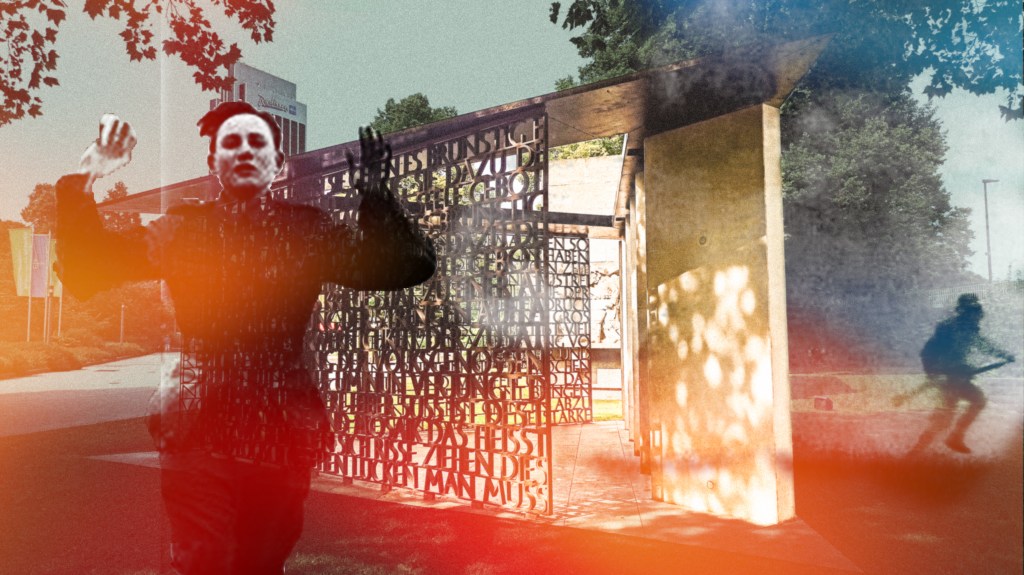
Today, more than a dozen monuments to (unknown) deserters stand in various German cities. This is an exceptional number, as few comparable memorials exist elsewhere, the rare exceptions being the Shot at Dawn Memorial in England and the monuments to deserters in Austria. Individual anti-fascist memorials also existed in the former GDR. But as a rule, nation-states do not usually concern themselves with conscientious objectors or deserters, let alone honor them.
The emergence of these memorials to deserters in Germany is linked to several historical processes and events, most notably the mass peace movement of the 1980s in the FRG, the end of the Cold War and subsequent unification of Germany, and the 2002 rehabilitation of Wehrmacht deserters. This last event spurred an official revision of the history of desertion, though grassroots efforts had begun earlier — through the first activist-led monuments, scholarly publications, and, most importantly, self-organized groups and independent initiatives advocating for deserters and their recognition.
Unveiled in 2015, The Memorial for Deserters and Other Victims of the Nazi Military Judiciary was made possible by the efforts of activists from the Alliance for a Deserter Monument in Hamburg, founded in 2010. Historians of the city, along with one of the most well-known Wehrmacht deserters and anti-war activists, Ludwig Baumann (1921–2018), played a key role in its creation. The city of Hamburg announced a design competition, and out of 11 submissions, the jury selected a proposal by Hamburg sculptor Volker Lang.
How does The Memorial for Deserters challenge conventional narratives of art and memory politics? What alternatives exist to the militaristic aesthetics of the past? Art historian Alexei Markin speaks with sculptor Volker Lang about his Memorial for Deserters in Hamburg.



 Drapo Laver
Оставить комментарий